02/06/2026

Το link αντιγράφηκε.
02/06/2026
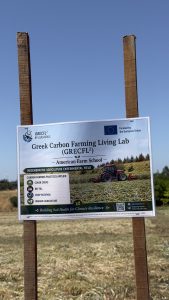
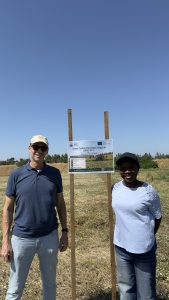
LILAS4SOILS – No-Till Corn Planting Demonstration at Perrotis College
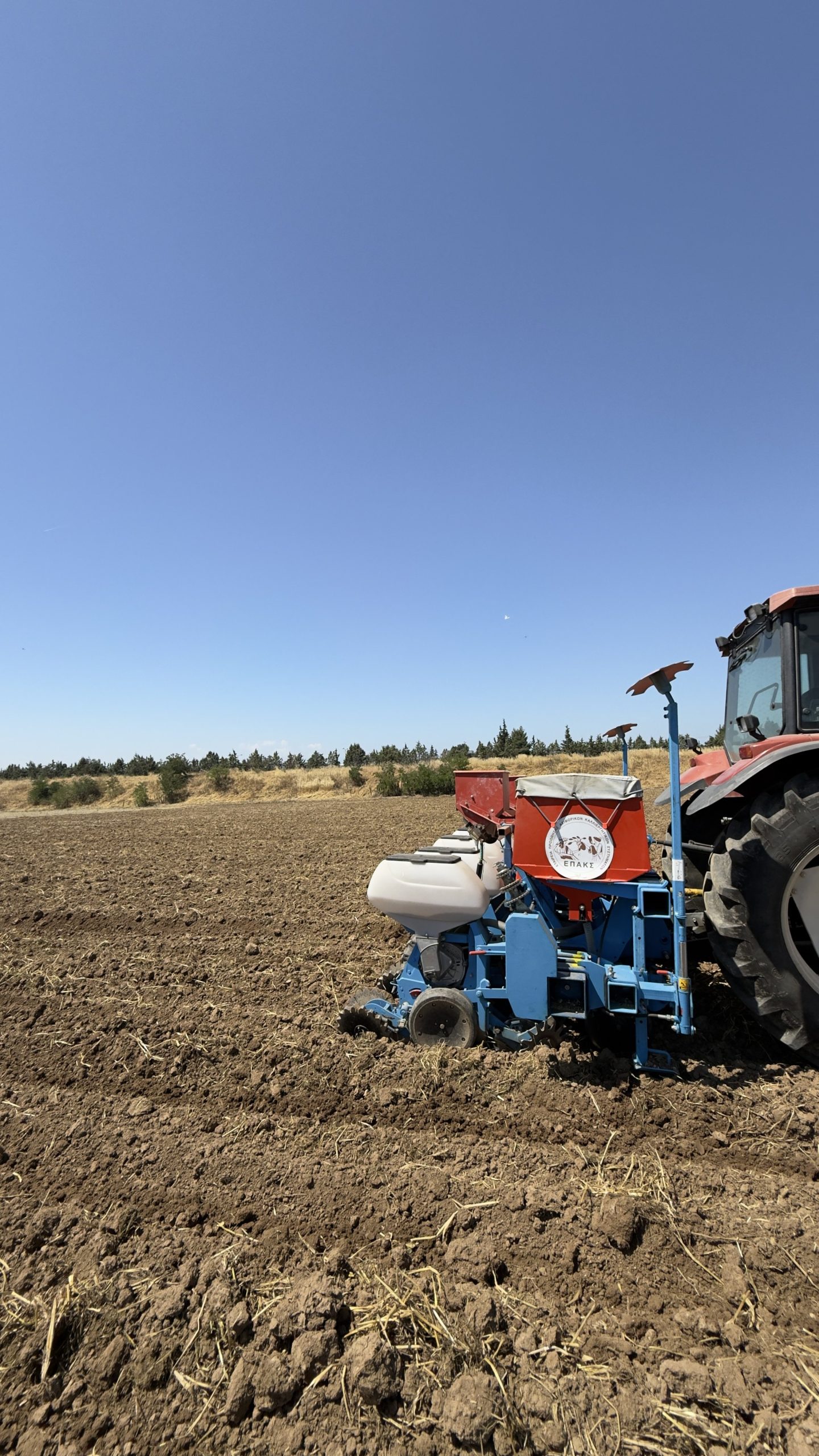
As part of the five-year Horizon Europe research project LILAS4SOILS, Perrotis College conducted a demonstration of direct no-till corn seeding into the residues of specially selected cover crop mixtures.
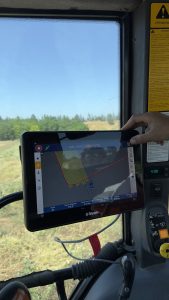
Planting was carried out using a specialized MONOSEM no-till planter provided by LILAS4SOILS collaborators Dr. Christos Kavalaris and Mr. Christos Karamoutis from the Department of Agriculture, Crop Production and Rural Environment at the University of Thessaly. The collaborators also demonstrated the operation of the equipment and shared their expertise in no-till direct seeding practices.
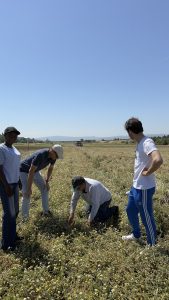
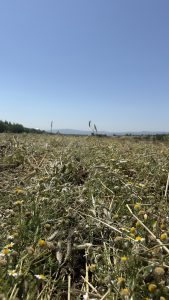
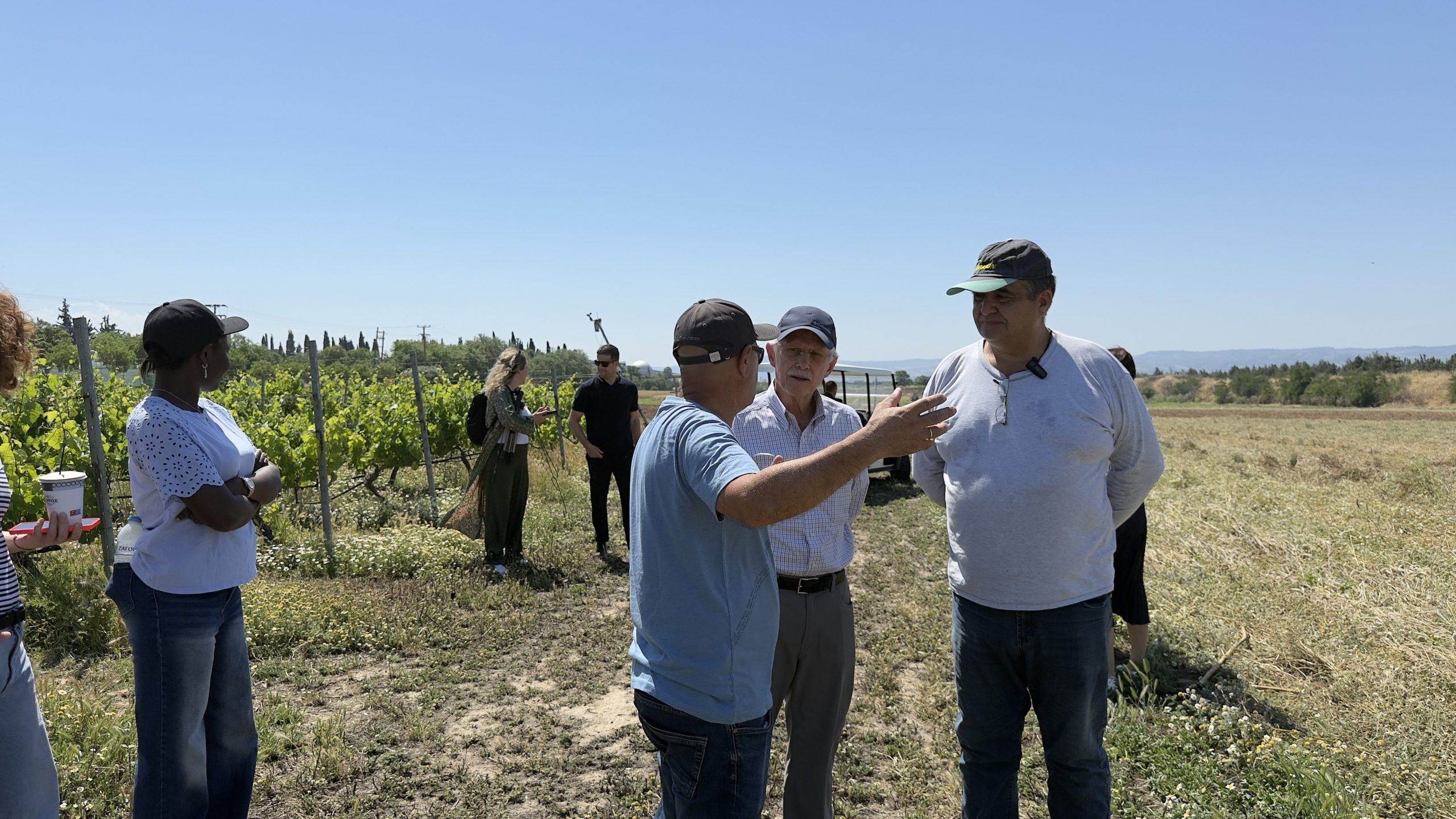
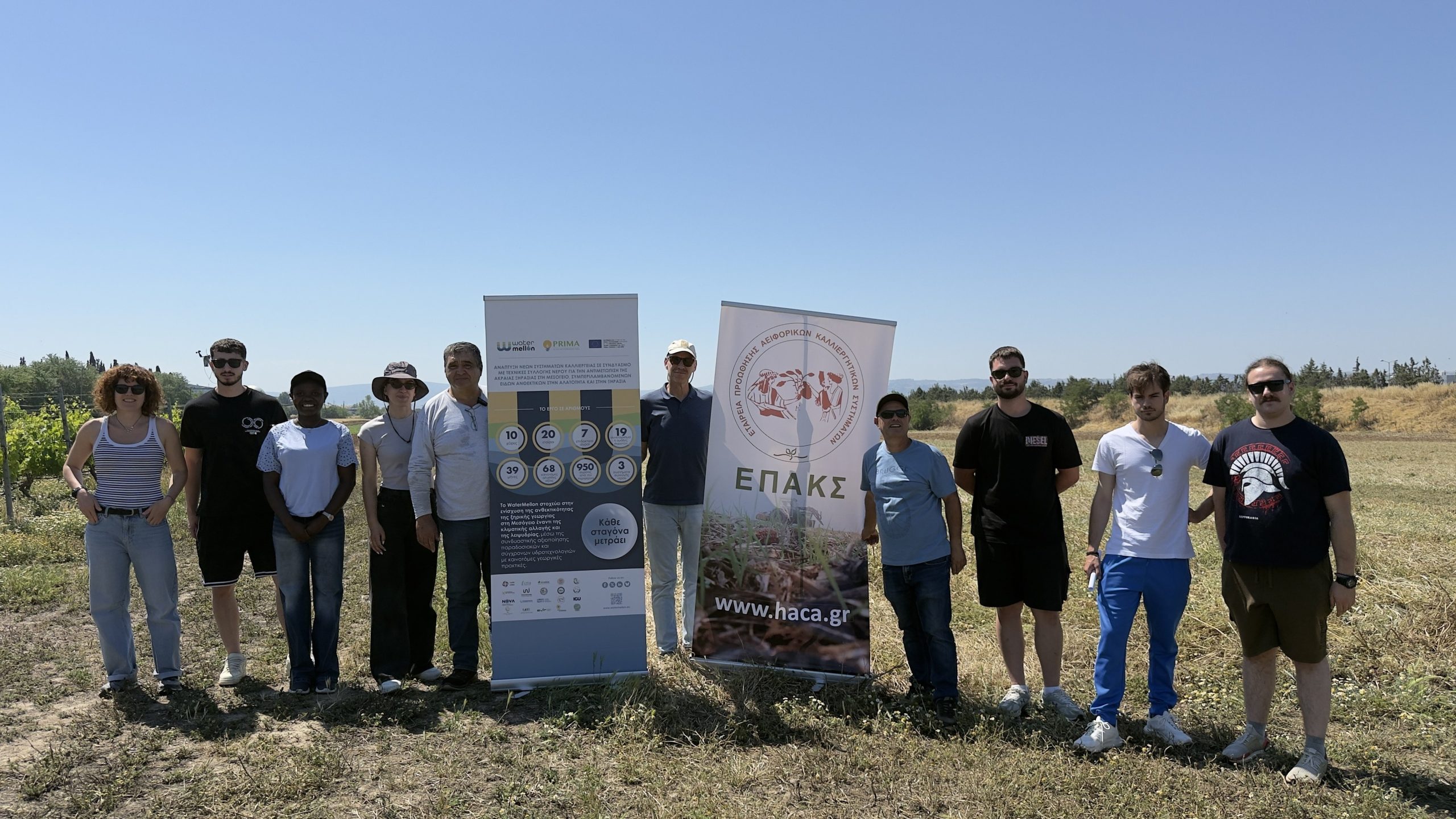
No-till planting is a key regenerative agriculture practice that enables continuous soil cover through plant residues while minimizing soil disturbance, as seeds are placed directly into the mulch layer. The demonstration was attended by students from the Vocational High School (EPAL), Perrotis College, and the Vocational Training Institute (SAEK) of the American Farm School, as well as farmers participating in the LILAS4SOILS project.
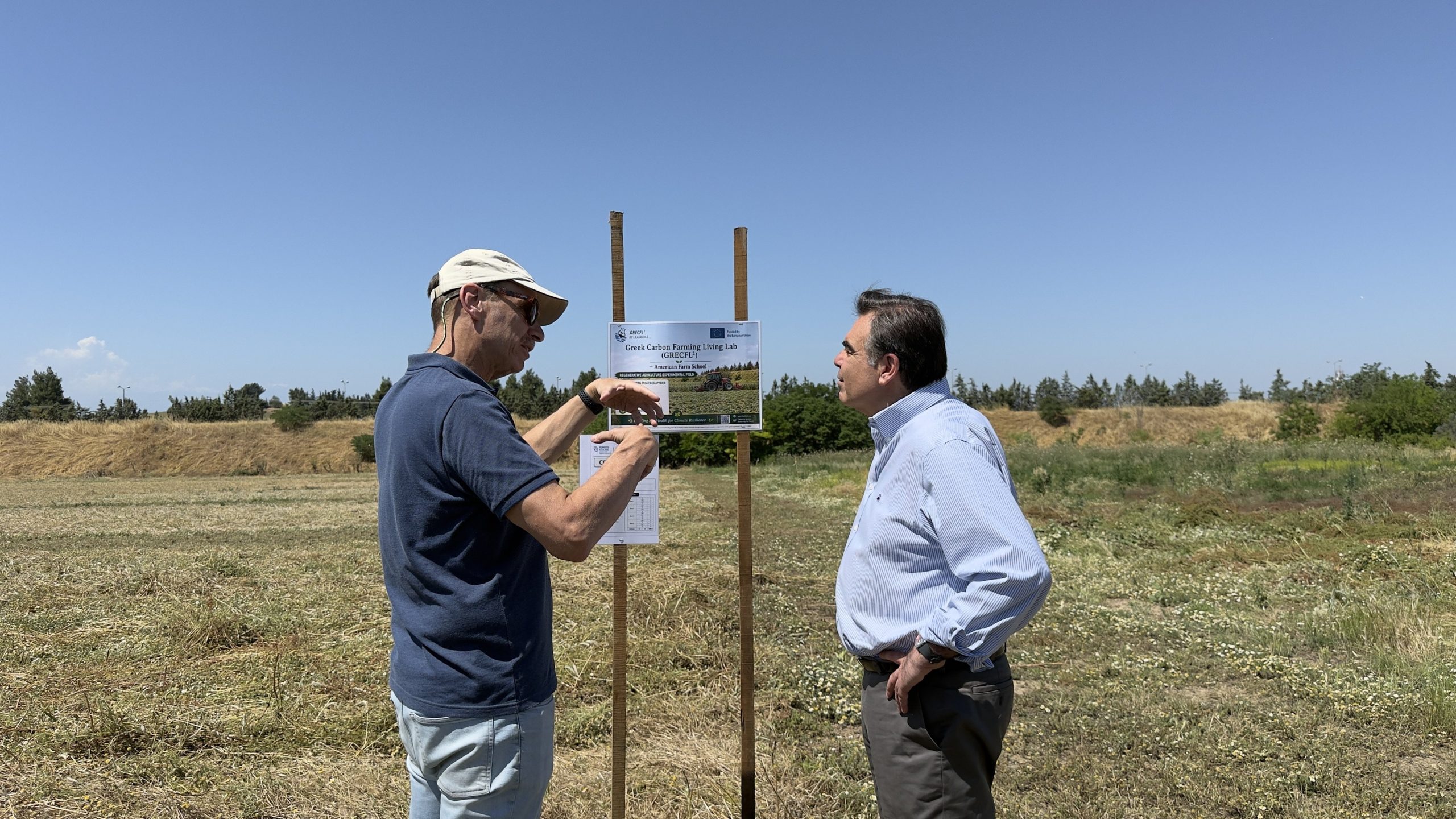
The event was also attended by the Minister of Rural Development and Food, Mr. Margaritis Schinas, who visited the American Farm School and Perrotis College facilities and was informed about ongoing research and innovation activities in regenerative agriculture and sustainable farming practices.
Το link αντιγράφηκε.
The experiments are being conducted at the American Farm School campus farm under the supervision of Dr. Christos Vasilikiotis, Associate Dean for Research at Perrotis College, in collaboration with the staff of the Educational Farm, SAEK, and EPAL. The work forms part of ongoing research on the implementation of regenerative agriculture practices, including no-till planting of spring crops without the use of chemical herbicides.
To avoid chemical inputs, cover crops are terminated using a Roller-Crimper, a specialized implement originally developed by the Rodale Institute (USA). This approach contributes to a reduced environmental footprint and is particularly important for producers engaged in organic agriculture.
In addition, Perrotis College employs advanced technologies such as drones and field sensors for crop monitoring and efficient resource management, alongside state-of-the-art soil quality assessment methods that evaluate not only the physical and chemical properties of soil, but also its biological health.
This holistic approach positions Perrotis College at the forefront of research and innovation in sustainable, environmentally responsible, and economically viable agriculture in Greece and across the Mediterranean region.